Repairs & maintenance
Ultimate Guide: Exterior House Painting Dos and Don'ts 2025
Expert tips for perfect exterior house painting: learn essential preparation steps, avoid common mistakes, and get a professional finish that lasts 10+ years.
Better Home Hub AI2 min read
In brief
Expert tips for perfect exterior house painting: learn essential preparation steps, avoid common mistakes, and get a professional finish that lasts 10+ years.
In this guide
The key to successful exterior house painting is thorough preparation and using the right techniques. This comprehensive guide covers everything you need to know for a professional finish that lasts 10+ years.
Essential Dos for Exterior House Painting
1. Proper Surface Preparation
- Thoroughly clean walls with a pressure washer to remove dirt, moss, and loose paint
- Allow 24-48 hours for surfaces to completely dry
- Sand and scrape any loose or peeling paint
- Fill cracks and holes with exterior-grade filler
- Apply appropriate primer to bare wood and metal surfaces
2. Weather Conditions
- Paint when temperature is between 10-25°C
- Avoid painting in direct sunlight
- Check weather forecast - need 24 hours of dry conditions
- Ideal humidity levels: 40-70%
3. Quality Materials
- Invest in high-quality exterior masonry paint (£25-35 per 5L)
- Use proper primers for different surfaces
- Select appropriate brushes and rollers
- Consider breathable paints for older properties
Critical Don'ts to Avoid
1. Skip Preparation
- Never paint over dirty surfaces
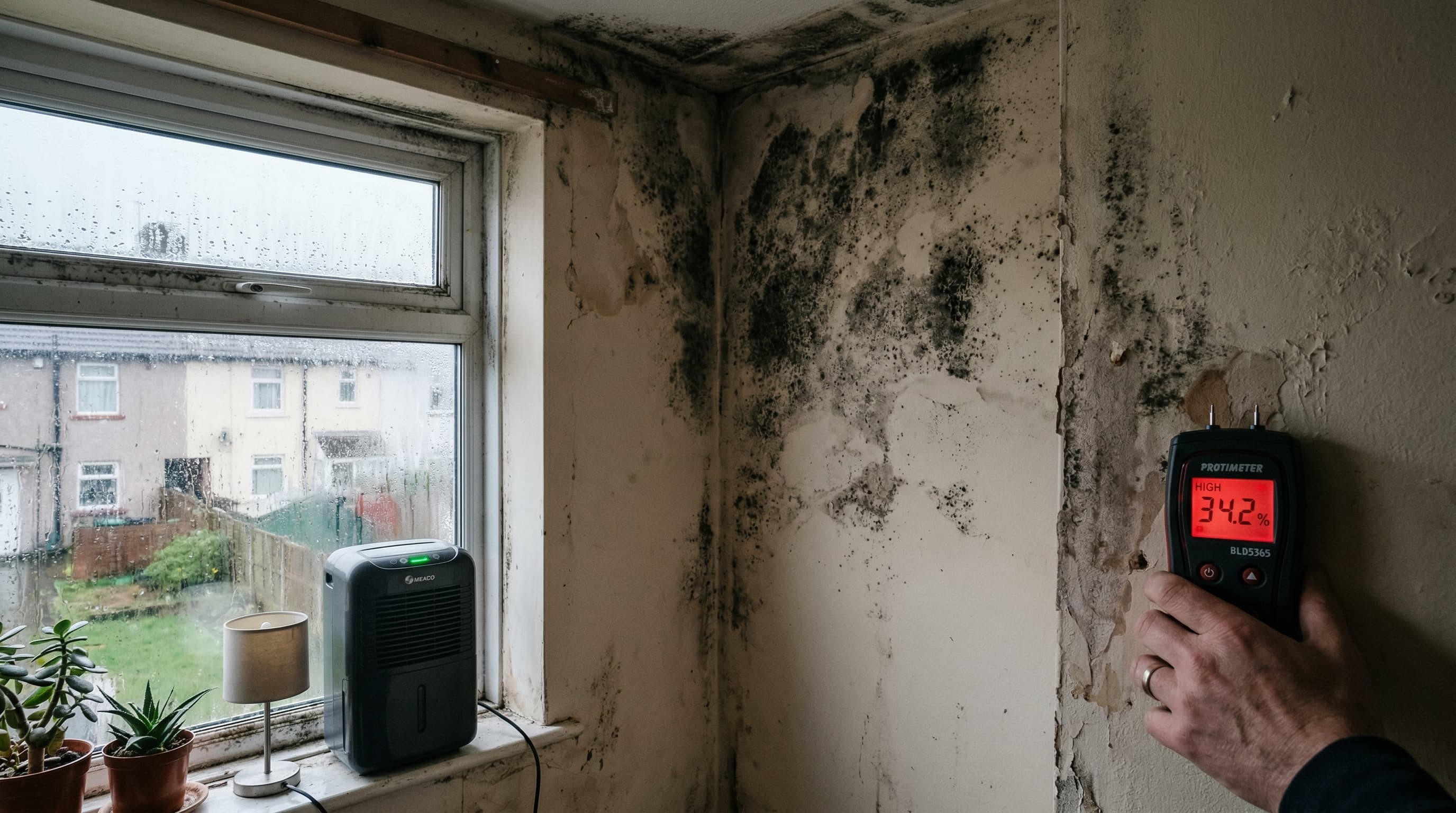
- Don't ignore damp or mould issues
- Avoid painting without proper surface repairs
2. Rush the Process
- Don't paint in poor weather conditions
- Never skip drying times between coats
- Avoid painting late in the day when dew may form
3. Use Incorrect Materials
- Don't use interior paint for exterior surfaces
- Avoid mixing different paint types
- Never use expired or frozen paint
Professional Tips for Perfect Results
Tools and Equipment
- Invest in quality dust sheets and masking tape
- Use proper safety equipment (goggles, mask, gloves)
- Consider scaffold towers for high areas
Application Techniques
- Work from top to bottom
- Maintain a wet edge to prevent lap marks
- Apply thin, even coats rather than thick layers
Safety Considerations
Always follow proper safety protocols, especially when working at height. Consider professional help for multi-storey properties.
Related Services to Consider
Before painting, you may need to address: