Repairs & maintenance
Complete Home Insulation Guide: Reduce Energy Bills & Improve Comfort in UK Homes
Master home insulation with our comprehensive guide. Discover types of insulation, installation methods, costs, and energy savings for UK homes. Professional tips and DIY advice included.
In brief
Master home insulation with our comprehensive guide. Discover types of insulation, installation methods, costs, and energy savings for UK homes. Professional tips and DIY advice included.
In this guide
Proper home insulation is one of the most cost-effective ways to reduce energy bills and improve comfort in UK homes. With rising energy costs and increasing environmental awareness, investing in quality insulation has never been more important. This comprehensive guide covers everything you need to know about insulating your home, from understanding different insulation types to professional installation and DIY options.
Table of Contents
Understanding Home Insulation
How Insulation Works
Heat Transfer PrinciplesUnderstanding heat transfer helps explain why insulation is effective:
- Conduction: Heat transfer through solid materials like walls and floors
- Convection: Heat transfer through air movement and circulation
- Radiation: Heat transfer through electromagnetic waves
- Thermal bridging: Heat loss through structural elements that bypass insulation
- Air leakage: Uncontrolled air movement that carries heat energy
Insulation effectiveness is measured by thermal resistance:
- R-value definition: Resistance to heat flow per unit thickness
- Higher R-values: Better insulation performance
- Thickness relationship: Thicker insulation generally provides higher R-values
- Material differences: Different materials achieve R-values at different thicknesses
- UK standards: Building regulations specify minimum R-values for different applications
Benefits of Proper Insulation
Energy Cost SavingsWell-insulated homes provide significant financial benefits:
- Reduced heating bills: Lower energy consumption for space heating
- Cooling cost reduction: Less air conditioning needed in summer
- System efficiency: Heating and cooling systems work more efficiently
- Peak demand reduction: Lower maximum energy usage
- Long-term savings: Cumulative savings over insulation lifetime
Insulation enhances living comfort:
- Temperature consistency: More even temperatures throughout the home
- Reduced drafts: Less cold air infiltration and warm air loss
- Noise reduction: Many insulation materials also provide sound insulation
- Humidity control: Better moisture management and reduced condensation
- Improved air quality: Reduced infiltration of outdoor pollutants
Insulation supports environmental sustainability:
- Carbon footprint reduction: Lower energy consumption reduces CO2 emissions
- Resource conservation: Reduced demand on energy generation
- Renewable energy support: Lower energy demand makes renewable systems more viable
- Sustainable materials: Many modern insulation materials use recycled content
- Building longevity: Better insulation protects building structure from temperature cycling
Types of Insulation Materials
Bulk Insulation Materials
Mineral Wool (Glass and Rock Wool)Traditional and reliable insulation materials:
- Glasswool: Made from recycled glass, good thermal and acoustic properties
- Rock wool: Made from volcanic rock, excellent fire resistance
- Thermal performance: R-values of 2.2-2.8 per inch thickness
- Moisture resistance: Good resistance to moisture damage
- Fire safety: Non-combustible, excellent fire performance
- Cost-effective: Good value for money with proven performance
High-performance foam insulation:
- Closed-cell foam: High R-value (R-6+ per inch), moisture barrier properties
- Open-cell foam: Lower R-value but good air sealing properties
- Application methods: Spray-applied or rigid board systems
- Thermal performance: Excellent insulation values in thin applications
- Air sealing: Provides both insulation and air barrier functions
Lightweight foam plastic insulation:
- Expanded polystyrene (EPS): Good insulation value, economical choice
- Extruded polystyrene (XPS): Higher performance, moisture resistant
- Thermal performance: R-values of 3.8-5.0 per inch depending on type
- Moisture resistance: XPS provides excellent moisture protection
- Structural applications: Can provide some structural support
Environmentally friendly options:
- Sheep wool: Natural, breathable, excellent thermal and acoustic properties
- Hemp fiber: Sustainable, good thermal performance, naturally pest resistant
- Cellulose: Made from recycled paper, good thermal performance
- Cork: Natural, renewable, excellent thermal and acoustic properties
- Wood fiber: Breathable, good thermal mass, environmentally sustainable
Reflective Insulation
Foil-Faced InsulationReflects radiant heat transfer:
- Radiant barriers: Reflect heat radiation rather than absorbing it
- Multifoil systems: Multiple layers of reflective material and air spaces
- Application areas: Effective in roof spaces and wall cavities
- Performance factors: Effectiveness depends on air space and orientation
- Combined systems: Often used with bulk insulation for maximum performance
Insulation Boards
Rigid Insulation BoardsStructural insulation panels:
- Polyisocyanurate (PIR): High thermal performance in thin applications
- Phenolic foam: Excellent fire performance and thermal values
- Polystyrene boards: Cost-effective option for many applications
- Application methods: External wall insulation, internal insulation, roof systems
- Structural properties: Can provide sheathing and insulation in one product
Composite insulation and finish systems:
- Thermal laminate: Insulation bonded to plasterboard for internal applications
- Installation efficiency: Single product provides insulation and finish surface
- Thickness options: Various insulation thicknesses available
- Thermal bridging reduction: Continuous insulation reduces thermal bridges
- Renovation suitability: Ideal for internal wall insulation projects
Areas to Insulate in Your Home
Priority Areas for Insulation
Heat Loss HierarchyFocus insulation efforts where heat loss is greatest:
Whole-House Approach
System ThinkingConsider insulation as part of whole building performance:
- Thermal envelope: Create continuous insulation boundary around living space
- Air tightness: Control air leakage while maintaining ventilation
- Moisture management: Prevent condensation and moisture problems
- Ventilation coordination: Ensure adequate fresh air with reduced heat loss
- Heating system integration: Right-size heating systems for insulated home
Set realistic performance goals:
- Building regulation compliance: Meet minimum legal requirements
- Cost-effective upgrades: Focus on improvements with best payback
- Comfort priorities: Address areas affecting daily comfort most
- Future-proofing: Consider future energy cost increases
- Property value: Improvements that add market value
Loft and Roof Insulation
Loft Insulation Types
Blanket InsulationMost common loft insulation method:
- Glass wool blankets: Cost-effective, easy DIY installation
- Rock wool blankets: Superior fire resistance, good for high-temperature areas
- Installation method: Laid between ceiling joists and over joists
- Thickness requirements: 270mm minimum for current building regulations
- Vapor control: Important to prevent moisture problems
Professional installation method:
- Loose-fill materials: Glass wool, cellulose, or mineral wool
- Even coverage: Eliminates gaps common with blanket installation
- Access advantages: Can insulate difficult-to-reach areas
- Professional equipment: Requires specialist blowing equipment
- Density control: Proper density essential for performance
Higher performance option:
- PIR/PUR boards: High thermal performance in reduced thickness
- Installation method: Cut and fitted between or over joists
- Thermal bridging: Can eliminate thermal bridging through joists
- Access maintenance: Consider future access requirements
- Higher cost: More expensive but better performance per inch
Roof Insulation Methods
Between-Rafter InsulationInsulation installed between roof rafters:
- Retrofit suitability: Good for existing roofs without major work
- Thermal bridging: Rafters create thermal bridges
- Thickness limitations: Limited by rafter depth
- Vapor control: Proper vapor barrier installation essential
- Ventilation: Maintain roof ventilation to prevent condensation
Continuous insulation over roof structure:
- Thermal bridge elimination: Continuous insulation over structural elements
- Maximum performance: Highest thermal performance option
- New construction: Easier to install during new construction
- Existing roofs: Can be added during roof replacement
- Professional installation: Complex installation requiring expertise
Insulation applied to underside of roof:
- Room-in-roof: Convert loft space to living accommodation
- Thickness considerations: Reduces room height
- Thermal performance: Good performance when properly installed
- Retrofit suitability: Good option for existing buildings
- Building regulation compliance: Must meet thermal and fire requirements
Loft Insulation Installation
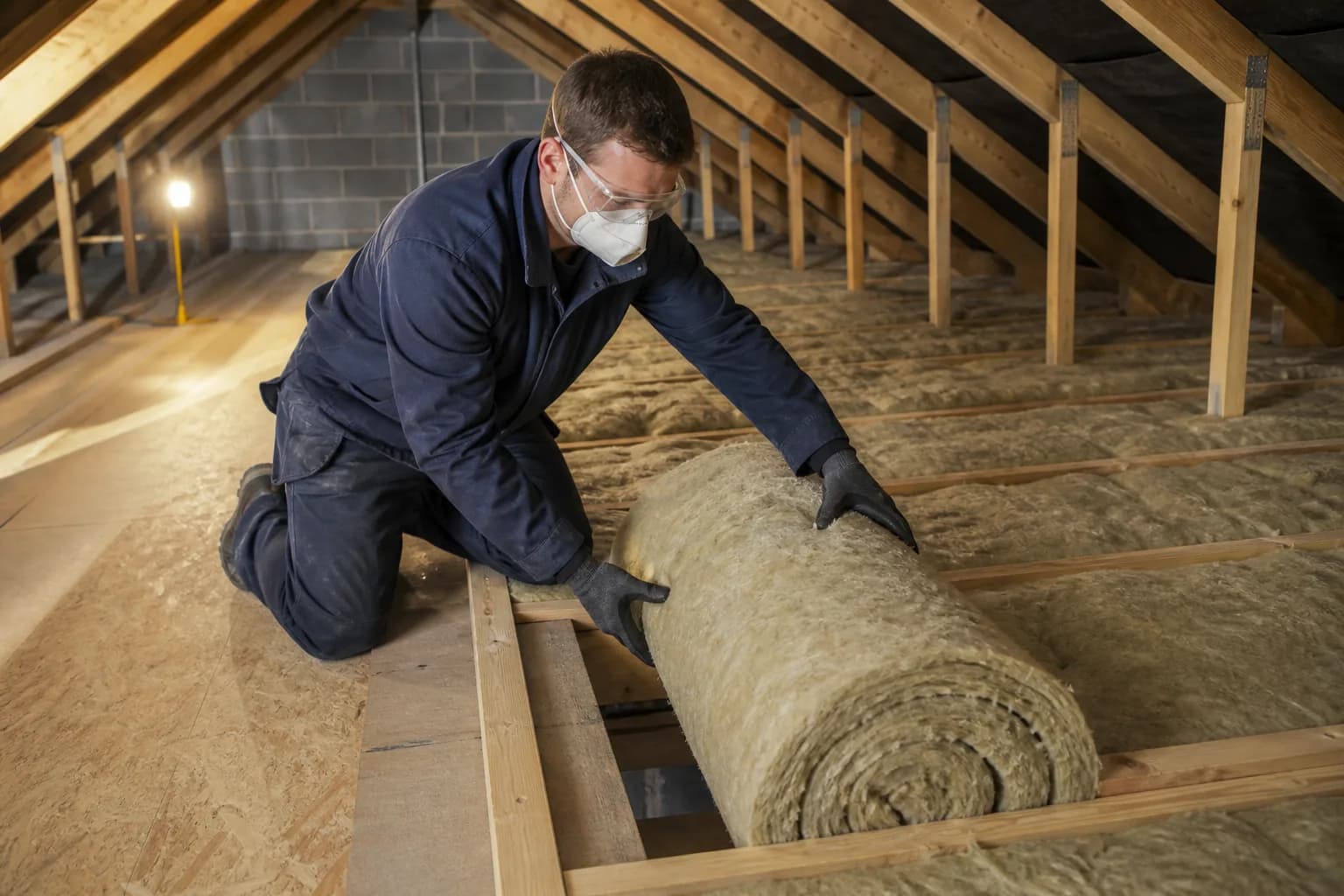
DIY Installation ProcessBasic loft insulation is suitable for DIY:
Consider professional installation for:
- Blown insulation: Requires specialist equipment and expertise
- Complex roof shapes: Difficult areas requiring experience
- Service integration: Coordination with electrical and plumbing work
- Building regulation compliance: Ensure work meets required standards
- Warranty coverage: Professional guarantees and insurance protection
Wall Insulation Systems
Cavity Wall Insulation
Understanding Cavity WallsMost UK homes built 1930-1980s have cavity walls:
- Construction method: Two walls with air gap (cavity) between
- Insulation opportunity: Cavity can be filled with insulation
- Suitability assessment: Professional survey required to confirm suitability
- Existing insulation: Check if cavity is already insulated
- Condition requirements: Cavity must be dry and suitable for filling
Various materials suitable for cavity filling:
- Blown fiber: Glass wool or rock wool blown into cavity
- Foam insulation: Expanding foam systems for difficult cavities
- Bead systems: Polystyrene beads with bonding agent
- Performance comparison: Different materials suit different applications
- Professional installation: All cavity filling requires professional installation
Professional cavity wall insulation installation:
External Wall Insulation (EWI)
System OverviewExternal insulation systems transform building performance:
- Continuous insulation: Wraps entire building in insulation
- Thermal bridge elimination: Minimizes thermal bridging through structure
- Weather protection: New external finish protects existing walls
- Internal space preservation: No loss of internal floor area
- Aesthetic transformation: Opportunity to completely change external appearance
Complete external insulation systems include:
- Insulation boards: Rigid foam or mineral wool boards
- Fixing systems: Mechanical fixings or adhesive systems
- Base coat: Reinforcing layer over insulation
- Reinforcement mesh: Strengthens base coat system
- Weather barrier: Protects system from weather penetration
- Finish coat: Final decorative and protective layer
Professional EWI installation process:
Internal Wall Insulation (IWI)
When IWI is AppropriateInternal insulation suitable in specific circumstances:
- Heritage buildings: Where external appearance must be preserved
- Planning restrictions: Where external changes not permitted
- Partial upgrades: When only some rooms require insulation
- Construction constraints: Where EWI not technically feasible
- Budget limitations: Generally less expensive than EWI
Different approaches to internal wall insulation:
- Insulated plasterboard: Composite boards with insulation and plasterboard
- Stud wall systems: Independent stud wall with insulation
- Direct application: Rigid insulation boards fixed directly to wall
- Performance considerations: Each system has different thermal performance
- Installation complexity: Varies from DIY-suitable to professional installation
Important factors for internal insulation:
- Room size reduction: All systems reduce internal floor area
- Service relocation: Electrical and plumbing systems may need moving
- Thermal bridging: Careful detailing required at junctions
- Moisture management: Vapor control essential to prevent condensation
- Building regulation compliance: Must meet thermal performance standards
Solid Wall Insulation
Understanding Solid WallsPre-1930s buildings typically have solid walls:
- Construction types: Stone, brick, or early concrete construction
- Insulation challenges: No cavity for traditional cavity fill
- Heritage considerations: Many solid wall buildings have heritage value
- Performance potential: Excellent improvement potential with proper insulation
- System selection: Choice between internal and external approaches
Solid wall insulation addresses specific challenges:
- Thermal mass: Heavy construction provides thermal mass benefits
- Moisture management: Breathable construction requires appropriate systems
- Structural integration: Insulation must integrate with existing structure
- Service penetrations: Existing services complicate insulation installation
- Architectural features: Preserve important architectural elements
Floor Insulation Solutions
Ground Floor Insulation
Suspended Timber FloorsTraditional timber floor construction:
- Underfloor access: Insulation installed from below between joists
- Supported insulation: Netting or boards support insulation between joists
- Ventilation maintenance: Maintain underfloor ventilation to prevent decay
- Service integration: Coordinate with underfloor services
- Retrofit suitability: Good option for existing buildings
Modern concrete floor construction:
- Above-slab insulation: Rigid insulation boards over concrete slab
- Below-slab insulation: Insulation under concrete slab (new construction)
- Screed systems: Insulation with screed over for floor finishes
- Underfloor heating integration: Popular with insulated floor systems
- Retrofit challenges: Height implications for existing buildings
Floor Insulation Installation
DIY Floor InsulationSuitable DIY projects:
- Suspended floor access: Where good underfloor access available
- Simple installations: Straightforward layouts without complex services
- Safety considerations: Safe working conditions and access
- Material handling: Ability to handle materials safely
- Building regulation compliance: Ensure work meets required standards
Complex installations require professional expertise:
- Limited access: Difficult working conditions
- Service integration: Coordination with heating and electrical systems
- Screed systems: Professional screed laying and curing
- Underfloor heating: Integration with heating system design
- Performance optimization: Achieve maximum thermal performance
Floor Insulation Materials
Rigid Board InsulationHigh-performance floor insulation:
- Polyisocyanurate (PIR): High thermal performance for thin applications
- Extruded polystyrene (XPS): Excellent moisture resistance for ground contact
- Expanded polystyrene (EPS): Cost-effective option for dry applications
- Phenolic foam: Excellent fire performance and thermal values
- Installation methods: Various fixing and laying methods available
Adaptable insulation materials:
- Mineral wool batts: Good for irregular joist spacing
- Natural fiber batts: Sustainable options with good performance
- Reflective systems: Multifoil systems for limited depth situations
- Support systems: Netting or boarding to support flexible insulation
- Vapor control: Appropriate vapor barriers where required
Window and Door Insulation
Window Thermal Performance
Glazing SystemsModern glazing significantly improves thermal performance:
- Double glazing: Standard for new construction, significant improvement over single glazing
- Triple glazing: Premium performance option, increasingly popular
- Low-E coatings: Invisible coatings that reflect heat back into rooms
- Gas fills: Argon or krypton gas between panes improves performance
- Spacer systems: Warm-edge spacers reduce heat loss around glazing edge
Window frame materials affect overall performance:
- uPVC frames: Good thermal performance, low maintenance, cost-effective
- Timber frames: Good performance when properly detailed, renewable material
- Aluminum frames: Modern thermally broken frames have good performance
- Composite frames: Combine benefits of different materials
- Installation quality: Proper installation critical for performance
Door Insulation
External Door PerformanceEntry doors significantly affect building performance:
- Core insulation: Insulated door cores improve thermal performance
- Weather stripping: Comprehensive sealing around door perimeter
- Threshold design: Proper threshold design eliminates air leakage
- Glass elements: Insulated glazing in doors with glass panels
- Multi-point locking: Good sealing when door is closed
Proper installation ensures performance:
- Air sealing: Complete air sealing around door frame
- Insulation continuity: Connect door insulation to wall insulation
- Thermal bridging: Minimize thermal bridges through door frame
- Weather protection: Adequate weather protection for door longevity
- Building regulation compliance: Meet thermal performance requirements
Upgrading Existing Windows and Doors
Secondary GlazingCost-effective upgrade for existing windows:
- Performance improvement: Significant improvement over single glazing
- Heritage preservation: Preserve original windows while improving performance
- Acoustic benefits: Excellent noise reduction
- Reversible upgrade: Can be removed if required
- DIY suitability: Some systems suitable for DIY installation
Simple improvements with significant impact:
- Weather strips: Seal gaps around opening windows and doors
- Compression seals: Better sealing for frequently opened windows
- Brush seals: Good for sliding windows and doors
- Professional installation: Ensures proper sealing without affecting operation
- Maintenance: Regular inspection and replacement maintains performance
Building Regulations and Standards
UK Building Regulations
Part L - Conservation of Fuel and PowerThermal performance requirements for insulation:
- New buildings: Minimum U-values for all building elements
- Existing buildings: Requirements when replacing or upgrading elements
- Whole building performance: Overall energy efficiency standards
- Air tightness: Maximum air leakage rates for new construction
- Compliance methods: Various ways to demonstrate compliance
Minimum thermal performance standards:
- Walls: 0.28 W/m²K for new construction, 0.30 W/m²K for upgrades
- Roofs: 0.16 W/m²K for new construction, 0.18 W/m²K for upgrades
- Floors: 0.22 W/m²K for new construction, 0.25 W/m²K for upgrades
- Windows: 1.6 W/m²K maximum for replacement windows
- Doors: 1.8 W/m²K maximum for replacement doors
Energy Performance Certificates
EPC RequirementsEnergy Performance Certificates rate building energy efficiency:
- Mandatory requirement: Required for all property sales and lettals
- Rating scale: A (most efficient) to G (least efficient)
- Improvement recommendations: Suggested upgrades to improve rating
- Cost-benefit analysis: Payback periods for recommended improvements
- Regular updates: Requirements updated periodically
Insulation upgrades significantly improve EPC ratings:
- Quick wins: Loft insulation typically provides best EPC improvement
- Wall insulation: Major improvements available for uninsulated walls
- Whole-house approach: Combined upgrades provide maximum improvement
- Professional assessment: Energy assessor can predict improvement potential
- Property value: Better EPC ratings increasingly affect property values
SAP Calculations
Standard Assessment ProcedureGovernment methodology for rating dwelling energy efficiency:
- Comprehensive assessment: Considers all aspects of building performance
- Regulatory compliance: Used to demonstrate building regulation compliance
- Design tool: Helps optimize building design for energy efficiency
- Professional requirement: Must be completed by qualified assessors
- Continuous development: Methodology updated regularly
Energy Efficiency Calculations
Heat Loss Calculations
U-Value CalculationsUnderstanding thermal performance:
- Heat transfer coefficient: Rate of heat transfer through building element
- Calculation methods: Standard methods for different construction types
- Thermal bridging: Account for heat loss through structural elements
- Installation quality: Proper installation critical for calculated performance
- Professional software: Specialized software for complex calculations
Calculate total building heat loss:
- Fabric heat loss: Heat loss through building envelope
- Ventilation heat loss: Heat loss through air change
- Thermal bridging: Additional heat loss through structural elements
- Air infiltration: Uncontrolled air leakage heat loss
- Total heat loss: Sum of all heat loss mechanisms
Energy Savings Calculations
Fuel Cost SavingsCalculate financial benefits of insulation:
- Current energy consumption: Establish baseline energy use
- Post-insulation consumption: Predict energy use after insulation
- Fuel prices: Use current fuel prices for calculations
- Price escalation: Consider future fuel price increases
- System efficiency: Account for heating system efficiency
Environmental benefits of insulation:
- Current emissions: Calculate current CO2 emissions from energy use
- Emission factors: Government carbon factors for different fuels
- Reduction potential: Calculate emission reductions from insulation
- Lifetime carbon savings: Total carbon saved over insulation lifetime
- Environmental value: Monetary value of carbon reductions
Return on Investment
Simple Payback CalculationBasic financial analysis:
- Initial cost: Total cost of insulation installation
- Annual savings: Yearly energy cost savings
- Payback period: Initial cost divided by annual savings
- Realistic expectations: Consider actual vs theoretical savings
- Additional benefits: Value comfort and other non-energy benefits
Comprehensive financial assessment:
- Installation costs: All costs associated with insulation installation
- Energy savings: Annual savings over insulation lifetime
- Maintenance costs: Ongoing maintenance and replacement costs
- Discount rates: Consider time value of money
- Net present value: Total financial benefit of investment
Installation Methods
Professional Installation
Surveying and AssessmentProfessional installations begin with thorough assessment:
- Property survey: Detailed assessment of existing construction
- Thermal imaging: Identify heat loss patterns and thermal bridges
- Moisture assessment: Check for existing moisture problems
- Structural assessment: Ensure structure can support proposed insulation
- Service identification: Locate all services that might be affected
Careful planning ensures successful installation:
- Material specification: Select appropriate materials for application
- Installation sequence: Plan work sequence to minimize disruption
- Access requirements: Arrange access equipment and site preparation
- Service coordination: Coordinate with other trades if required
- Quality control: Establish inspection and quality control procedures
Professional installations include quality assurance:
- Material certification: Use certified materials meeting appropriate standards
- Installation standards: Follow manufacturer installation instructions
- Inspection protocols: Regular inspection during installation
- Performance testing: Test installation performance where possible
- Documentation: Provide certificates and warranties for work completed
DIY Installation
Suitable DIY ProjectsSome insulation work is suitable for competent DIY enthusiasts:
- Loft insulation: Basic loft insulation relatively straightforward
- Internal wall insulation: Some systems designed for DIY installation
- Floor insulation: Where good access available
- Draught proofing: Simple air sealing measures
- Window upgrades: Secondary glazing and draught proofing
Recognize limitations of DIY approach:
- Technical complexity: Some systems require professional expertise
- Safety requirements: Working at height or in confined spaces
- Building regulations: Ensuring compliance with regulatory requirements
- Tool requirements: Specialized tools may not be cost-effective
- Performance risk: Risk of poor installation affecting performance
Maximize success with DIY installations:
- Education: Thoroughly understand installation requirements
- Planning: Careful planning and preparation before starting
- Quality materials: Use appropriate materials for application
- Safety first: Prioritize safety throughout installation
- Professional consultation: Consult professionals for complex elements
Installation Timing
Seasonal ConsiderationsTime installations appropriately:
- Weather dependence: External work dependent on weather conditions
- Heating season: Benefits immediately apparent during heating season
- Summer work: Good time for major insulation installations
- Contractor availability: Professionals often busy during peak seasons
- Material availability: Ensure materials available when required
Coordinate insulation with other building work:
- Major renovations: Integrate insulation with renovation projects
- New construction: Install insulation during construction process
- System upgrades: Coordinate with heating system upgrades
- Decoration timing: Plan decoration after insulation installation
- Service installation: Coordinate with electrical and plumbing work
Cost Analysis and Payback
Installation Costs
Loft Insulation CostsTypical costs for loft insulation:
- DIY blanket insulation: £3-8 per m² depending on thickness
- Professional blown insulation: £15-25 per m² including installation
- Board insulation: £20-40 per m² depending on material and thickness
- Additional costs: Access improvements, preparation work
- Variables: Property size, access difficulty, insulation thickness
Wall insulation costs vary significantly:
- Cavity wall insulation: £500-1,500 for typical house
- External wall insulation: £8,000-15,000 for typical house
- Internal wall insulation: £50-100 per m² including installation
- Cost factors: Property size, complexity, material selection
- Additional costs: Scaffolding, service relocation, decoration
Floor insulation varies by access and method:
- Suspended floor insulation: £20-40 per m² with good access
- Solid floor insulation: £50-100 per m² including screed
- Underfloor heating integration: Additional £30-60 per m²
- Access factors: Poor access significantly increases costs
- Professional installation: Generally recommended for floor insulation
Energy Savings
Typical Savings by MeasureExpected annual savings from different measures:
- Loft insulation: £200-400 per year for typical house
- Wall insulation: £300-600 per year depending on wall type
- Floor insulation: £100-200 per year for typical house
- Window upgrades: £150-300 per year depending on existing windows
- Combined measures: Savings from multiple measures less than sum of individual savings
Factors that influence actual savings:
- House size: Larger houses generally have proportionally greater savings
- Existing insulation: Homes with no insulation show greatest savings
- Heating system: System efficiency affects absolute savings
- Occupancy patterns: Usage patterns significantly affect savings
- Fuel prices: Higher fuel prices increase absolute savings
Payback Periods
Typical Payback TimesExpected payback periods for common measures:
- Loft insulation: 2-5 years depending on existing insulation level
- Cavity wall insulation: 5-10 years for professional installation
- External wall insulation: 15-25 years depending on costs and savings
- Floor insulation: 8-15 years depending on access and costs
- Window replacement: 10-20 years depending on existing windows
Strategies to improve payback periods:
- Combined measures: Installing multiple measures together reduces costs
- Grant funding: Government grants significantly improve payback
- DIY elements: DIY work where appropriate reduces costs
- Quality installation: Proper installation ensures maximum savings
- Future fuel prices: Consider likely future fuel price increases
Government Grants and Incentives
Current Grant Schemes
ECO (Energy Company Obligation)Major government energy efficiency scheme:
- Funding source: Funded by energy suppliers
- Eligibility: Benefits recipients and low-income households
- Measures covered: Insulation, heating system upgrades, renewable technologies
- Application process: Through approved installers
- Local authority support: Additional support for vulnerable households
Related guide: who can get insulation grants through ECO4 and the Great British Insulation Scheme, from UK Energy Partnership.
Green Homes GrantGovernment grant scheme for energy efficiency:
- Grant amounts: Vouchers worth up to £5,000 (£10,000 for low income)
- Measures covered: Insulation, heating system upgrades, renewable energy
- Application process: Online application system
- Approved installers: Work must be completed by approved installers
- Regional variations: Different schemes operating in different regions
Many councils offer additional support:
- Area-based schemes: Schemes targeting specific areas
- Additional funding: Top-up funding to complement national schemes
- Interest-free loans: Loans for energy efficiency measures
- Bulk purchase schemes: Discounted materials through bulk purchasing
- Advice services: Free advice on energy efficiency measures
Scheme Eligibility
Income-Based EligibilityMany schemes target lower-income households:
- Benefits eligibility: Receipt of specific benefits
- Income thresholds: Maximum household income levels
- Vulnerable households: Additional support for vulnerable groups
- Local flexibility: Local authorities may have additional criteria
- Application support: Help available with application processes
Properties must meet technical criteria:
- Property types: Schemes may be limited to specific property types
- Existing insulation: Some schemes only for properties without existing insulation
- Energy efficiency ratings: Minimum or maximum EPC ratings
- Construction types: Some measures only suitable for specific construction
- Planning restrictions: Listed buildings and conservation areas may have restrictions
Application Process
Scheme ResearchIdentify available support:
- National schemes: Research current national grant schemes
- Local schemes: Check with local authority for additional support
- Energy supplier schemes: Contact energy suppliers about available support
- Third sector support: Community organizations may offer additional help
- Professional advice: Energy advisors can help identify suitable schemes
Get help with applications:
- Citizens Advice: Free advice on available schemes and applications
- Local authority: Council advice services
- Age UK: Support for older people
- Energy suppliers: Customer service support for supplier schemes
- Approved installers: Many provide application support as part of service
Professional vs DIY Installation
Professional Installation Benefits
Expertise and ExperienceProfessionals bring valuable expertise:
- Technical knowledge: Understanding of building physics and insulation performance
- Installation experience: Experience with wide range of properties and situations
- Problem solving: Ability to solve unexpected problems during installation
- Regulatory compliance: Ensure work meets building regulations and standards
- Quality assurance: Professional standards and quality control procedures
Professional access to specialized equipment:
- Specialized tools: Professional-grade tools for efficient installation
- Safety equipment: Proper safety equipment for working at height
- Testing equipment: Thermal imaging and other diagnostic tools
- Installation equipment: Specialized equipment for blown insulation and complex systems
- Access equipment: Professional scaffolding and access systems
Professional protection:
- Installation warranties: Guarantees on workmanship and performance
- Material warranties: Professional installation may be required for material warranties
- Insurance coverage: Professional indemnity and public liability insurance
- Certification: Certificates of compliance with regulations and standards
- Ongoing support: Professional support for any issues or questions
DIY Suitability
Suitable DIY ProjectsProjects appropriate for competent DIY enthusiasts:
- Loft insulation: Installing blanket insulation between and over joists
- Draught proofing: Sealing gaps around windows, doors, and services
- Internal wall insulation: Some dry-lined systems designed for DIY installation
- Secondary glazing: Simple secondary glazing systems
- Basic floor insulation: Where good access available
Skills needed for successful DIY installation:
- Measuring and cutting: Accurate measurement and cutting of materials
- Tool use: Comfortable using hand and power tools safely
- Working at height: Safe working on ladders and in roof spaces
- Problem solving: Ability to solve problems and adapt to circumstances
- Following instructions: Carefully following manufacturer installation instructions
Safety critical for DIY installations:
- Personal protection: Use appropriate personal protective equipment
- Safe working: Safe working practices, especially at height
- Electrical safety: Understanding electrical safety around insulation installation
- Fire safety: Understanding fire safety implications of insulation
- Health protection: Protection from insulation fibers and dust
Hybrid Approaches
Partial DIYCombine DIY and professional work:
- Preparation work: DIY preparation with professional installation
- Material supply: Supply materials with professional installation
- Simple elements: DIY simple elements, professional for complex work
- Supervision: Professional supervision of DIY work
- Completion work: Professional installation, DIY finishing work
Professional input for DIY projects:
- Design advice: Professional design for complex installations
- Material specification: Professional material selection and specification
- Installation guidance: Professional guidance during installation
- Quality checking: Professional inspection of completed work
- Problem solving: Professional help with problems during installation
Maintenance and Upgrading
Ongoing Maintenance
Insulation InspectionRegular inspection maintains performance:
- Visual inspection: Annual visual inspection where accessible
- Performance monitoring: Monitor energy consumption for performance changes
- Moisture problems: Look for signs of moisture problems or condensation
- Pest damage: Check for pest damage, particularly in natural fiber insulation
- Settlement: Check for settlement or compression of loose-fill insulation
Keep insulation performing optimally:
- Air sealing maintenance: Check and maintain air sealing around insulation
- Vapor barrier integrity: Ensure vapor barriers remain intact
- Ventilation maintenance: Maintain proper ventilation around insulation
- Service penetrations: Ensure services don't compromise insulation performance
- Access preservation: Maintain safe access for future inspection and maintenance
Performance Monitoring
Energy Use MonitoringTrack performance over time:
- Annual consumption: Monitor annual energy consumption
- Seasonal patterns: Look for changes in seasonal energy use patterns
- Degree day normalization: Adjust consumption for weather variations
- System efficiency: Monitor heating system efficiency
- Comparative analysis: Compare performance with similar properties
Monitor comfort improvements:
- Temperature consistency: Note improvements in temperature consistency
- Draft reduction: Assess reduction in drafts and cold spots
- Humidity levels: Monitor indoor humidity levels
- Noise levels: Note any acoustic improvements
- Overall satisfaction: Regular assessment of comfort improvements
Upgrading Existing Insulation
Performance UpgradingImprove existing insulation performance:
- Additional thickness: Add additional insulation to existing installation
- Better materials: Upgrade to higher performance materials
- Thermal bridge elimination: Address thermal bridging issues
- Air sealing improvements: Improve air sealing around existing insulation
- System integration: Integrate insulation with other building improvements
Take advantage of new technologies:
- Advanced materials: Newer materials with better performance
- Installation methods: Improved installation methods and techniques
- Smart systems: Integration with smart home systems and controls
- Renewable integration: Integration with renewable energy systems
- Performance monitoring: Advanced monitoring and control systems
Common Problems and Solutions
Installation Problems
Thermal BridgingHeat loss through structural elements:
- Problem identification: Use thermal imaging to identify thermal bridges
- Design solutions: Design insulation systems to minimize thermal bridging
- Continuous insulation: Use continuous insulation to eliminate bridges
- Structural considerations: Balance thermal performance with structural requirements
- Professional design: Complex thermal bridging requires professional design
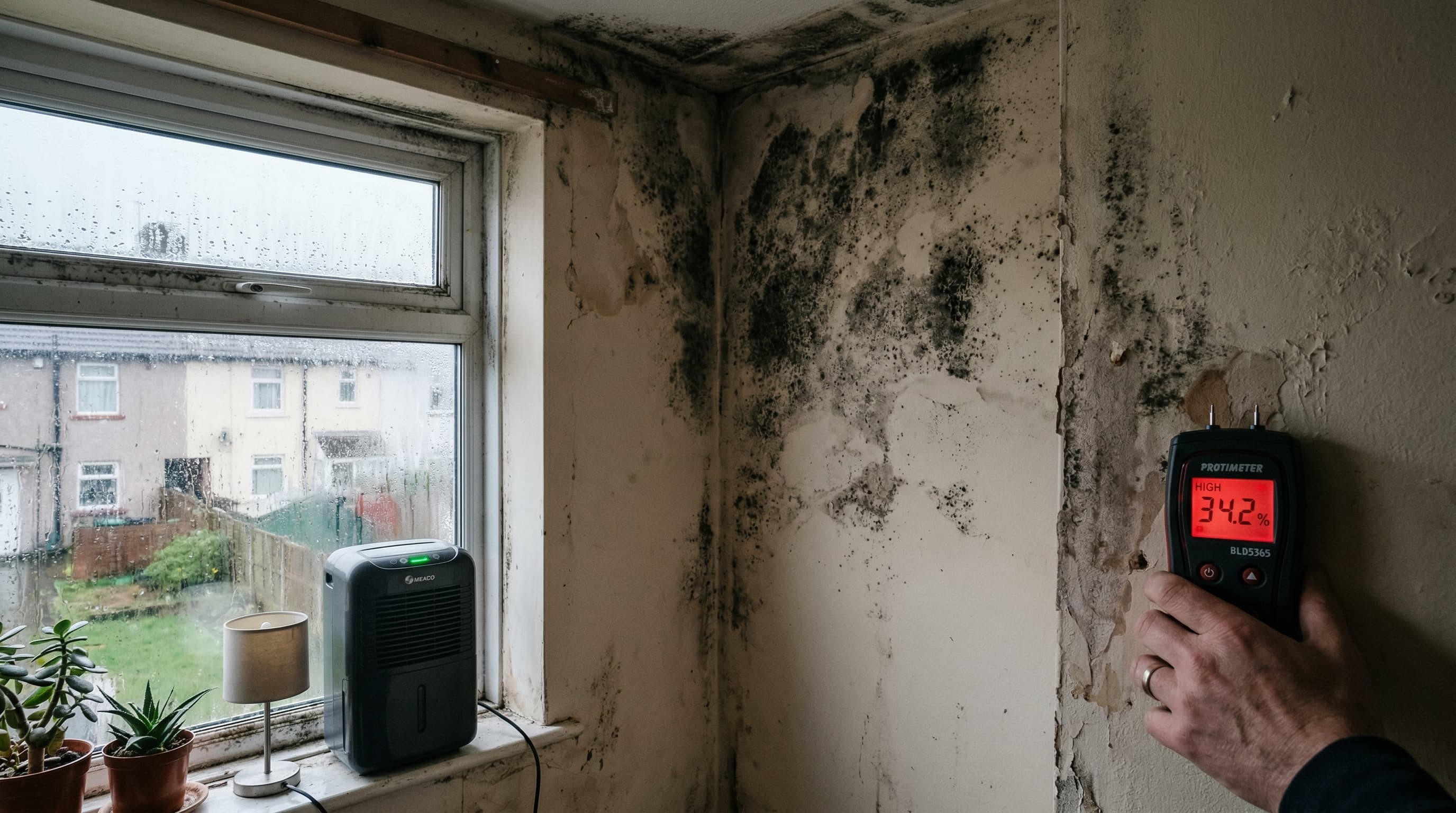
If damp or mould started after wall insulation was installed, Insulation Crisis Help covers damp caused by cavity wall insulation and what can be done.
Air LeakageUncontrolled air movement reduces insulation effectiveness:
- Air sealing: Comprehensive air sealing before insulation installation
- Service penetrations: Seal all penetrations through insulation
- Construction joints: Seal all construction joints and connections
- Testing: Use blower door testing to verify air tightness
- Maintenance: Regular inspection and maintenance of air sealing
Moisture Problems
Condensation IssuesMoisture problems can damage insulation and building:
- Vapor control: Use appropriate vapor control strategies
- Ventilation: Ensure adequate ventilation to remove moisture
- Temperature control: Maintain appropriate temperatures to prevent condensation
- Moisture sources: Control moisture sources within building
- Professional assessment: Complex moisture problems require professional assessment
Serious problems from moisture in insulation:
- Prevention: Proper installation prevents most moisture problems
- Early detection: Regular inspection for signs of moisture problems
- Remedial action: Quick action to address any moisture problems
- Professional help: Serious moisture problems require professional remediation
- Building performance: Address underlying building performance issues
Performance Issues
UnderperformanceInsulation not achieving expected performance:
- Installation quality: Poor installation significantly reduces performance
- Material quality: Use quality materials appropriate for application
- System design: Proper system design essential for performance
- Air leakage: Uncontrolled air leakage reduces insulation effectiveness
- Thermal bridging: Thermal bridges bypass insulation performance
Loss of performance over time:
- Material selection: Choose materials appropriate for application
- Installation density: Install loose-fill materials at correct density
- Regular inspection: Monitor for settling and compression
- Top-up maintenance: Add additional material to maintain performance
- System replacement: Replace systems that have lost significant performance
Remedial Solutions
System RepairRepair damaged or underperforming insulation:
- Damage assessment: Thoroughly assess extent of problems
- Repair planning: Develop comprehensive repair plan
- Professional expertise: Use professionals for complex repairs
- Performance testing: Test performance after repairs
- Prevention: Address underlying causes to prevent recurrence
Replace insulation systems when repair not viable:
- Cost-benefit analysis: Compare repair costs with replacement costs
- Performance improvement: Opportunity to upgrade to better performing systems
- Technology updates: Take advantage of improved materials and methods
- Whole-system approach: Consider whole-building performance improvements
- Professional installation: Use professionals for complex replacement projects
Conclusion
Proper home insulation represents one of the most cost-effective investments UK homeowners can make, delivering substantial energy savings, improved comfort, and reduced environmental impact. With rising energy costs and increasing awareness of environmental issues, insulation has become more important than ever for creating efficient, comfortable homes.
Success with insulation projects depends on understanding the principles of heat transfer, selecting appropriate materials for your specific application, and ensuring quality installation. Whether you choose professional installation or tackle suitable projects yourself, the key is to approach insulation systematically, focusing on areas with the greatest impact first.
Remember that insulation is part of the whole building system, and the best results come from considering how insulation works with ventilation, heating, and other building systems. Take time to understand your options, research available grants and incentives, and don't hesitate to consult professionals where safety or performance depends on specialist knowledge.
The investment in quality insulation pays dividends immediately through reduced energy bills and improved comfort, and continues to provide benefits for decades to come. Start with the measures that provide the best return on investment for your specific situation, and build on these improvements over time to create a truly energy-efficient home.
Ready to improve your home's insulation? Get quotes from qualified insulation specialists in your area through Better Home Hub. Better Home Hub helps you search for relevant local companies, compare the information available and choose which businesses may contact you.