How To Check A Tradesman Is Legit: Complete UK Homeowner's Guide 2024
Learn how to verify legitimate tradespeople in the UK. Essential checks, red flags to avoid, and expert tips to protect your home improvement investment.

Better Home Hub Expert Team
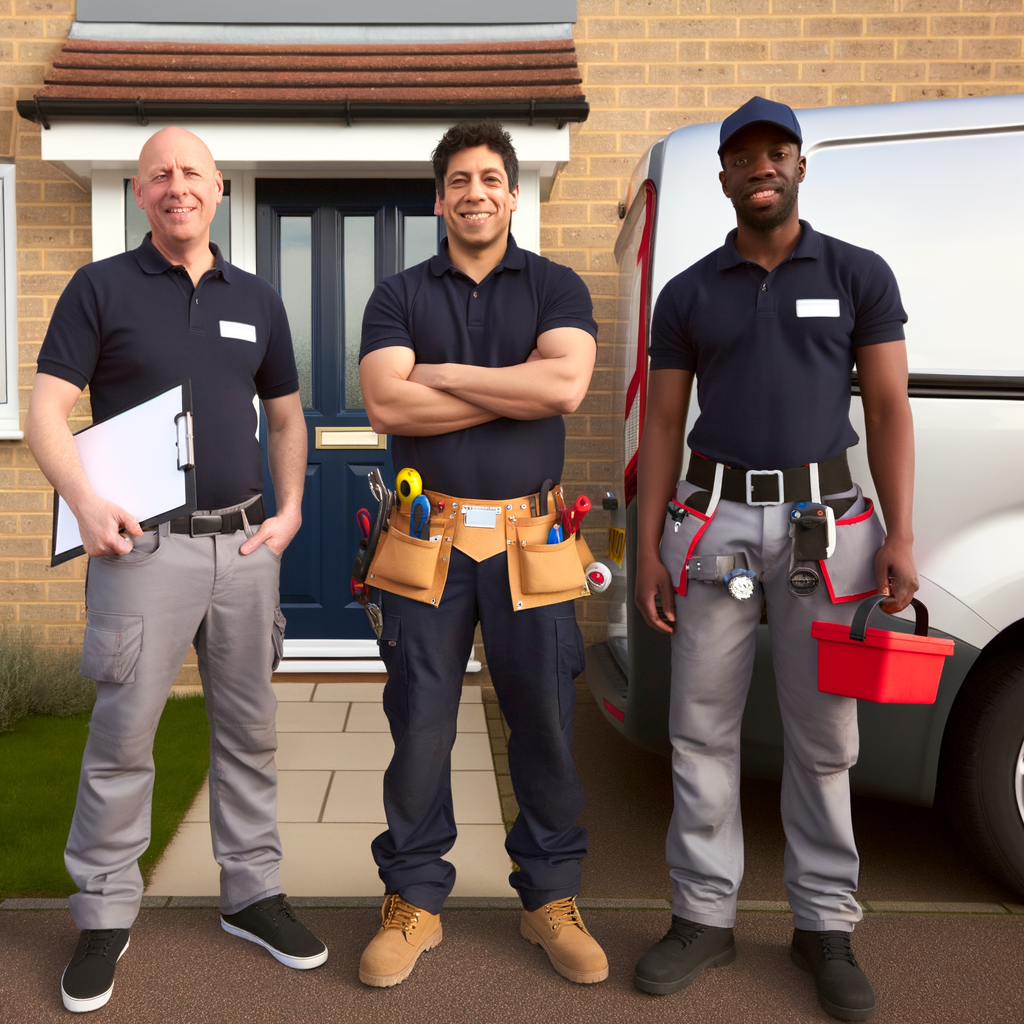
How To Check A Tradesman Is Legit: Complete UK Homeowner's Guide 2024
Finding a legitimate tradesman in the UK can feel overwhelming, especially when your home and hard-earned money are at stake. With rogue traders costing UK homeowners millions annually, knowing how to properly vet contractors has never been more crucial. This comprehensive guide reveals the essential steps to verify any tradesman's legitimacy before they set foot on your property.
Why Checking Tradesman Legitimacy Matters
The consequences of hiring an illegitimate tradesman extend far beyond poor workmanship. Unqualified contractors can:
- Cause structural damage requiring expensive repairs (£5,000-£50,000+)
- Create safety hazards that endanger your family
- Void your home insurance if work isn't compliant
- Leave you with no legal recourse when problems arise
- Demand upfront payments then disappear
Professional platforms like Better Home Hub eliminate these risks by maintaining a trusted network of thoroughly vetted contractors, saving homeowners both time and potential costly mistakes.
Essential Documentation Every Legitimate Tradesman Should Have
Insurance Coverage Verification
Every legitimate tradesman must carry appropriate insurance. Request to see:
- Public Liability Insurance: Minimum £1-2 million coverage for property damage
- Employer's Liability Insurance: Required if they employ staff
- Professional Indemnity Insurance: For design-related trades
Always verify insurance certificates directly with the provider. Legitimate policies will have policy numbers, coverage amounts, and expiry dates clearly displayed.
Professional Qualifications and Certifications
Different trades require specific qualifications:
- Gas Safe Registration: Mandatory for any gas work
- NICEIC/NAPIT Registration: For electrical work
- CIPHE Membership: For plumbing professionals
- FMB/NHBC Membership: For builders and contractors
Unlike basic listing sites, Better Home Hub verifies these credentials during their comprehensive vetting process, ensuring every contractor meets industry standards.
Red Flags: Warning Signs of Illegitimate Tradesmen
Immediate Red Flags
- Door-to-door cold calling offering "leftover materials"
- Demanding large upfront payments (over 10% is suspicious)
- No fixed business address or landline number
- Pressure tactics: "This price expires today"
- Cash-only payments with no receipts
- Reluctance to provide references or insurance details
Documentation Red Flags
- Handwritten quotes on scraps of paper
- No company letterhead or professional branding
- Vague job descriptions without material specifications
- Missing start/completion dates
- No warranty or guarantee information
Step-by-Step Verification Process
Step 1: Initial Research
Before any contact, research the tradesman thoroughly:
- Company House Search: Verify limited companies at gov.uk
- Online Presence Check: Legitimate businesses have professional websites
- Social Media Verification: Check for consistent business information
- Local Authority Records: Some councils maintain approved trader lists
Step 2: Credential Verification
Contact relevant bodies directly:
- Gas Safe Register: 0800 408 5500 or online checker
- NICEIC: Online "Find a Contractor" tool
- Competent Person Schemes: Verify through scheme operators
Step 3: Reference Checking
Request and contact at least three recent customers:
- Ask specific questions about work quality
- Inquire about timekeeping and cleanliness
- Verify completion dates and budget adherence
- Request to see completed work if possible
Financial Protection Strategies
Payment Best Practices
Protect your finances with these guidelines:
- Never pay large sums upfront: 10% maximum deposit
- Stage payments: Link payments to completion milestones
- Retain final payment: Hold 5-10% for 30 days post-completion
- Use traceable payment methods: Bank transfers, not cash
Contract Essentials
Every legitimate job requires a written contract including:
- Detailed work specifications and materials
- Clear start and completion dates
- Total cost breakdown with VAT
- Payment schedule and methods
- Warranty and guarantee terms
- Dispute resolution procedures
Industry-Specific Verification Requirements
Electrical Work
Electrical contractors must:
- Be registered with approved schemes (NICEIC, NAPIT, etc.)
- Provide electrical installation certificates
- Comply with BS 7671 wiring regulations
- Notify Building Control for certain work
Gas Work
Gas engineers must:
- Hold current Gas Safe registration
- Be qualified for specific appliance types
- Provide gas safety certificates
- Complete annual safety checks
Building Work
Builders should demonstrate:
- Understanding of Building Regulations
- Appropriate planning permission awareness
- Structural engineering knowledge for major work
- CDM regulation compliance for larger projects
Using Professional Platforms vs. DIY Vetting
While individual verification is possible, professional platforms offer significant advantages. Better Home Hub's comprehensive vetting process includes:
- Insurance verification and ongoing monitoring
- Qualification checks with issuing bodies
- Reference verification from previous customers
- Financial stability assessments
- Ongoing performance monitoring
This thorough approach saves homeowners countless hours while providing superior protection compared to basic directory sites that rely primarily on self-certification.
Legal Protections and Consumer Rights
Consumer Rights Act 2015
UK homeowners have specific protections:
- Services must be performed with reasonable care and skill
- Work must be completed within reasonable time
- Charges must be reasonable if not agreed beforehand
- Right to repeat performance or price reduction for poor work
Cancellation Rights
For doorstep sales, you have:
- 14-day cooling-off period
- Right to cancel without penalty
- Full refund entitlement
- Protection against pressure selling
Cost Considerations and Budgeting
Typical UK Trade Rates
Understanding standard rates helps identify unrealistic quotes:
- Electricians: £150-£300 per day
- Plumbers: £40-£80 per hour
- Builders: £150-£250 per day
- Roofers: £200-£400 per day
Remember, extremely low quotes often indicate corner-cutting or hidden costs, while excessive pricing may suggest overcharging.
Getting Multiple Quotes
Always obtain at least three comparable quotes. Better Home Hub streamlines this process by connecting you with multiple vetted contractors simultaneously, ensuring competitive pricing while maintaining quality standards.
Emergency Situations and Urgent Repairs
Even in emergencies, basic checks remain essential:
- Verify insurance coverage immediately
- Check relevant registrations online
- Request identification and business cards
- Document all work and agreements
- Follow up with proper contracts once emergency is resolved
Building Long-Term Relationships
Once you've found legitimate tradesmen:
- Maintain their contact details for future work
- Request annual insurance certificate updates
- Monitor their continued professional registration
- Provide honest feedback to help others
- Consider them for related projects
Conclusion
Checking a tradesman's legitimacy requires diligence, but the investment in time and effort protects your home, finances, and family safety. While individual verification is possible, professional platforms like Better Home Hub offer comprehensive vetting that surpasses what most homeowners can achieve independently.
Don't leave your home improvement projects to chance. Get free quotes from vetted contractors on Better Home Hub and enjoy peace of mind knowing every professional in their network has undergone rigorous verification. Your home deserves nothing less than legitimate, qualified tradespeople who stand behind their work.


